


On Tuesday, Yahoo posted the headline:

Inside the article, it says:
“The product array is Robinhood’s latest push to give retail investors increasingly sophisticated products “once reserved for hedge funds, big banks, and quant firms.”
It makes sense for Robinhood to roll this out. They make money when people trade more frequently, and trading more frequently is the kind of thing AI agents will be very good at. However, that doesn’t mean it’s good for investors.
Decades of data show that the more frequently retail traders buy and sell, the worse they perform.
When you see a firm marketing “sophisticated products” to retail investors, it rarely ends well.
Take this CNBC headline from March 2024, describing the newly created Opportunistic Trader ETF:
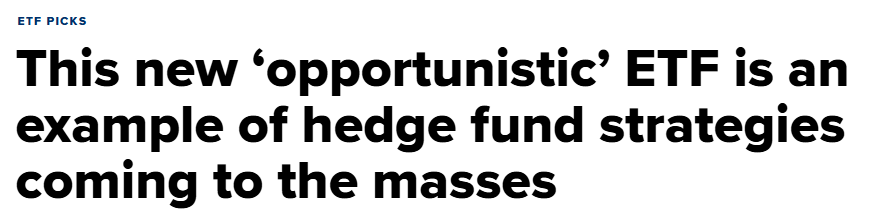
“[The portfolio manager] and others are betting that smaller investors will happily pay to gain access to sophisticated strategies that had previously been available to only the ultra-wealthy.”
Retail investors getting access to sophisticated strategies sounds like a good thing until you fast-forward two years and realize investors in the fund have lost more than 98%.
This isn’t to say AI agents are bad.
I have been using the new Muse agent in my personal life, and I love it. It automatically updates my family calendar based on emails I get from the kids’ teachers, and it successfully fought a rental car company that tried to overcharge my wife by $80.
But give it the impossible task of making money by churning a trading account, and the results may vary.
Personal Note:
My son told me we should try using sea urchin lures to catch bass. I told him I didn’t think it would work.

But he immediately caught a fish, so I was wrong, and we now fish my neighborhood ponds with plastic sea urchins.